Schoolwide Inquiry Units- We ask big questions and find big answers.
About
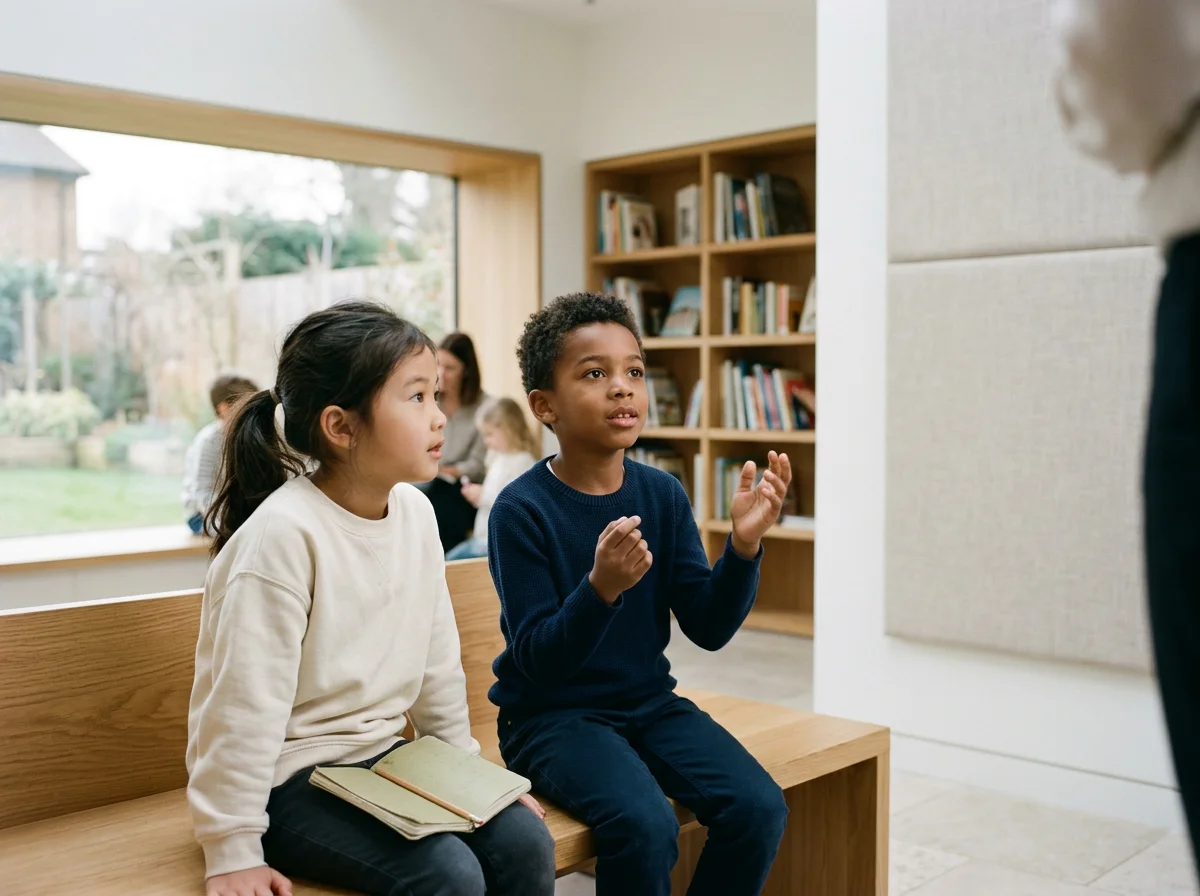
Inquiry units bring learning together around a big idea and meaningful questions. Students explore connections across subjects through investigation, discussion, hands-on experiences, and creative projects. Shared themes allow children of different ages to examine the same ideas at different levels of depth and complexity, with room for their questions and interests to shape the learning. We’ll begin with four schoolwide units, helping students build knowledge, think critically, and apply what they learn to the world around them.
Inquiry into who we are?
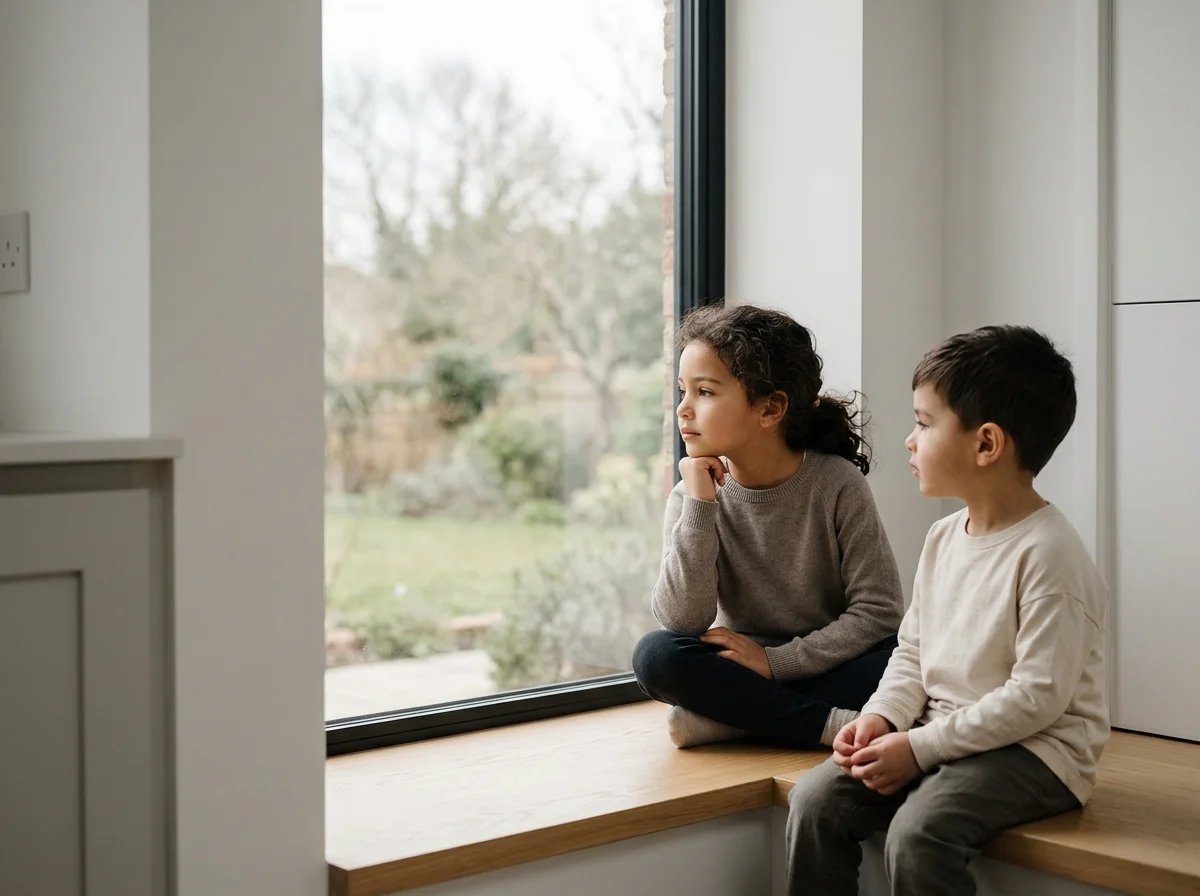
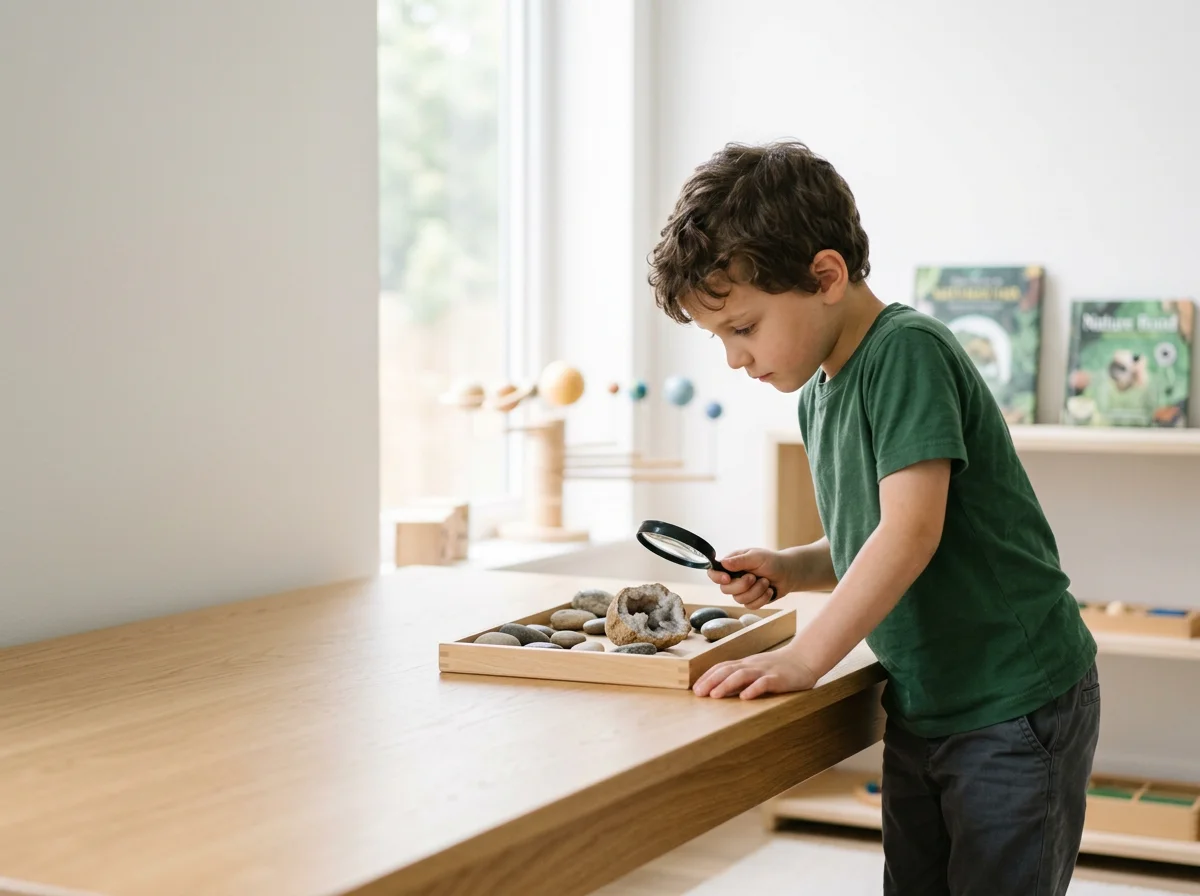
Who are we, where do we come from, and how do we fit into the world around us? This inquiry invites students to explore identity and belonging—from our bodies, thoughts, and relationships to our place in history, Earth’s ecosystems, and the universe.
Students connect biology and psychology with questions about how we grow, feel, think, and learn. Through history, geography, and anthropology, they investigate family stories, cultures, migration, and the communities that shape us. Ecology reveals our relationships with other living things, while astronomy helps us consider our place on Earth and in the cosmos. Literature, languages, visual arts, and music offer ways to explore and express human experience; mathematics helps students investigate patterns, timelines, scale, and data. Civics, philosophy, and ethics invite questions about responsibility, fairness, and how we live together.
Across age groups, students develop deeper understandings of themselves as individuals, members of communities, and participants in an interconnected world.
Inquiry into systems and how the world works
How do things work, what connects them, and what happens when something changes? This inquiry invites students to investigate systems—from the structures within our bodies to ecosystems, machines, communities, and the universe.
Through physics and chemistry, students explore matter, energy, forces, and the processes behind everyday phenomena. Biology and ecology reveal how living systems grow, adapt, and depend on one another, while Earth science and astronomy introduce weather, water cycles, planetary motion, and change across vast scales. Mathematics helps students identify patterns, measure relationships, interpret data, and build models. Engineering, technology, and computer science offer opportunities to design, test, troubleshoot, and improve systems of their own.
History, geography, economics, and civics extend the inquiry to transportation, communication, trade, government, and the ways societies organize resources. Literature, languages, music, and visual arts reveal systems of symbols, rules, patterns, and expression. Philosophy and ethics invite students to consider who benefits from a system, how its effects are distributed, and how it might be improved.
Across age groups, students investigate relationships between parts and wholes, causes and consequences, stability and change—using their discoveries to explain the world and imagine new possibilities.
Inquiry into how we can make the world a better place
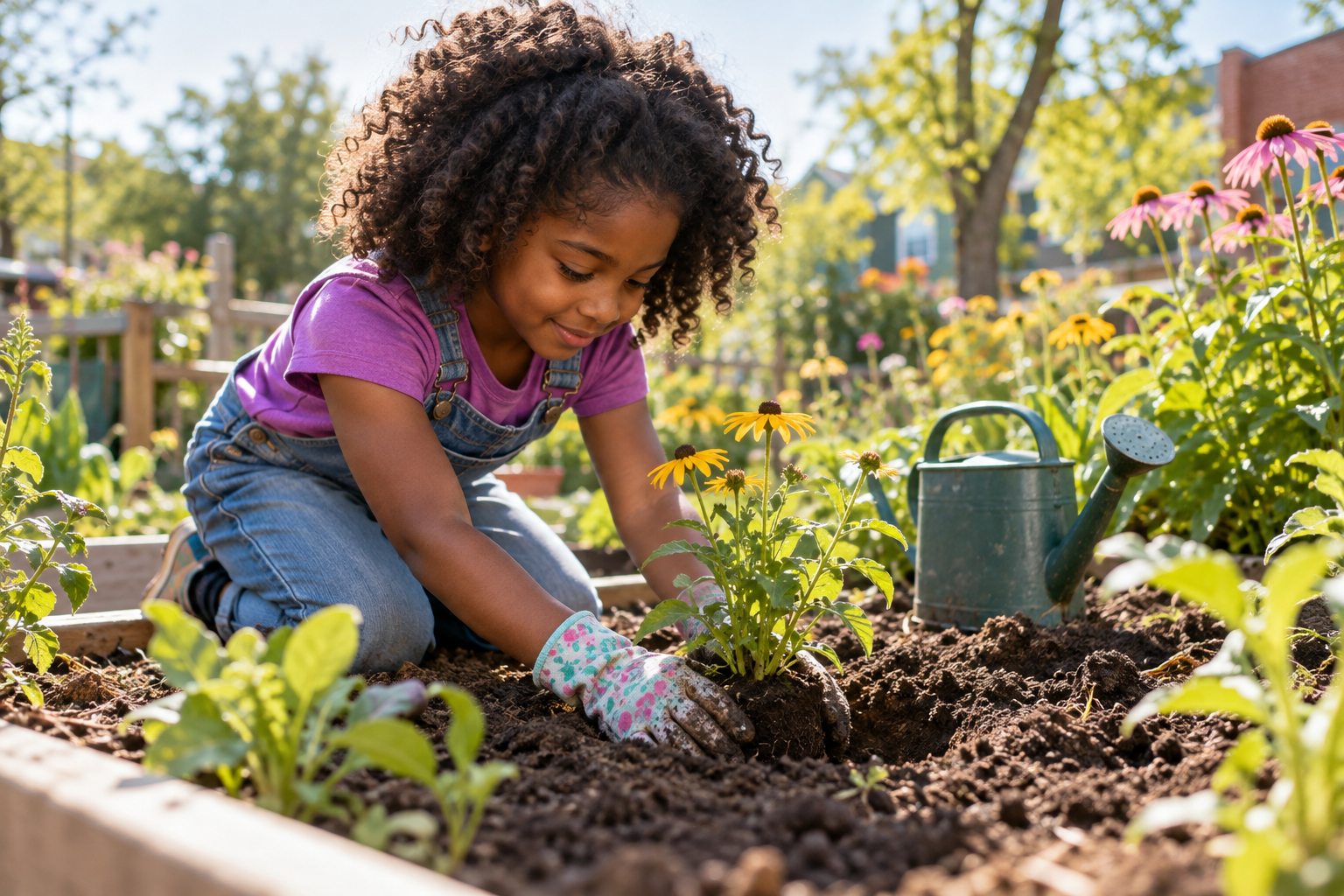
What does a better world look like, who gets to decide, and how can we contribute? This inquiry invites students to investigate challenges, consider different perspectives, and develop thoughtful responses—from acts of care in their classroom to changes within communities and beyond.
Through history, geography, anthropology, and civics, students explore how people have worked toward change and how culture, institutions, and access to resources shape opportunities. Economics and mathematics help them examine needs, tradeoffs, budgets, and evidence, while philosophy and ethics encourage questions about fairness, responsibility, rights, and what it means to live well together.
Biology, ecology, Earth science, and chemistry connect the inquiry to health, biodiversity, clean water, energy, and the care of our planet. Physics, engineering, technology, and computer science offer tools for designing and testing solutions. Psychology helps students understand cooperation, empathy, motivation, and the ways people respond to change. Literature, languages, visual arts, and music reveal how stories and creative expression can communicate ideas, challenge assumptions, and bring people together.
Across age groups, students learn to listen before acting, distinguish evidence from assumptions, and consider unintended consequences. Through research, design, service, and reflection, they explore how to make a useful contribution—and how to recognize whether their efforts have helped.